Some of interesting projects I was involved in, academic and not.
iV Learning: After-School Learning Centre in Canberra
In 2025, I started an after-school learning centre in Canberra, called iV Learning. This centre offers K12 courses in STEM, digital art, public speaking, as well as Maths & English tutoring.
Education and teaching has always been a passion of mine, and working on iV Learning is a dream come true. Visit iV Learning website to find out more.
Impact of Prescribed Burns and Bushfires on ACT Ecosystems
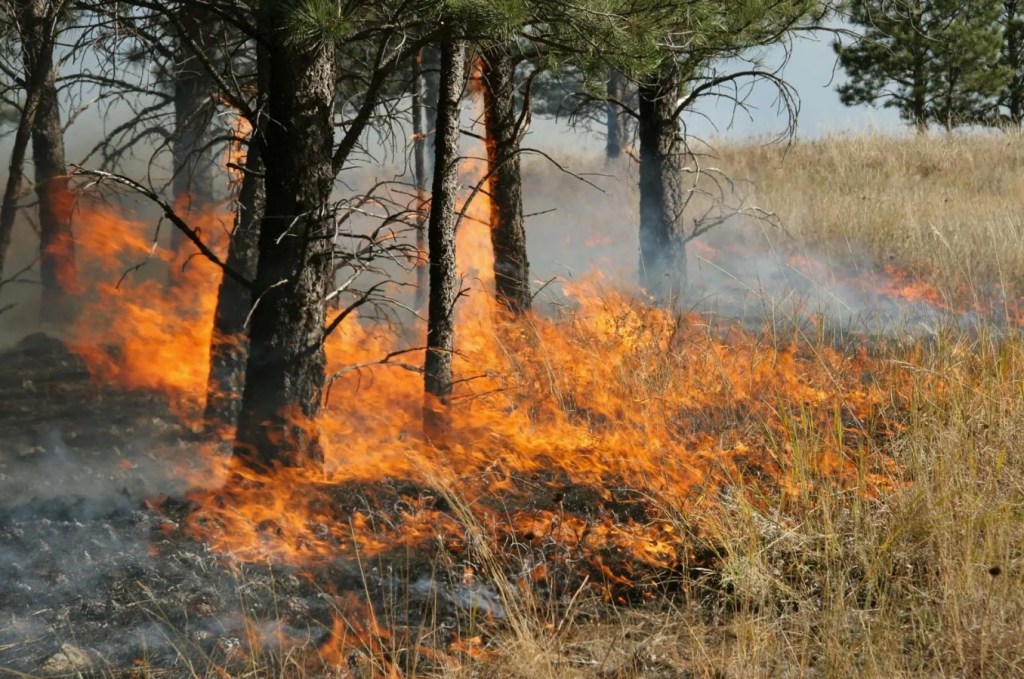
Canberra has experienced two major bushfires in the 21st century: 2003 Canberra fires and 2020 Black Summer fires. Regular prescribed burns help reduce fuel load and prevent severe uncontrollable bushfires. The impact of both natural bushfires and prescribed burns on flora and fauna is still very actively studied to improve policy decisions (recent Nature study – I am not a co-author).
In my role with the ACT Government I help analyse large datasets of ecological impacts of fires on biodiversity in the ACT. My team and I reveal key findings that help make better fire managing decisions. Further reading…
Course Convenor: Research Presentation Skills
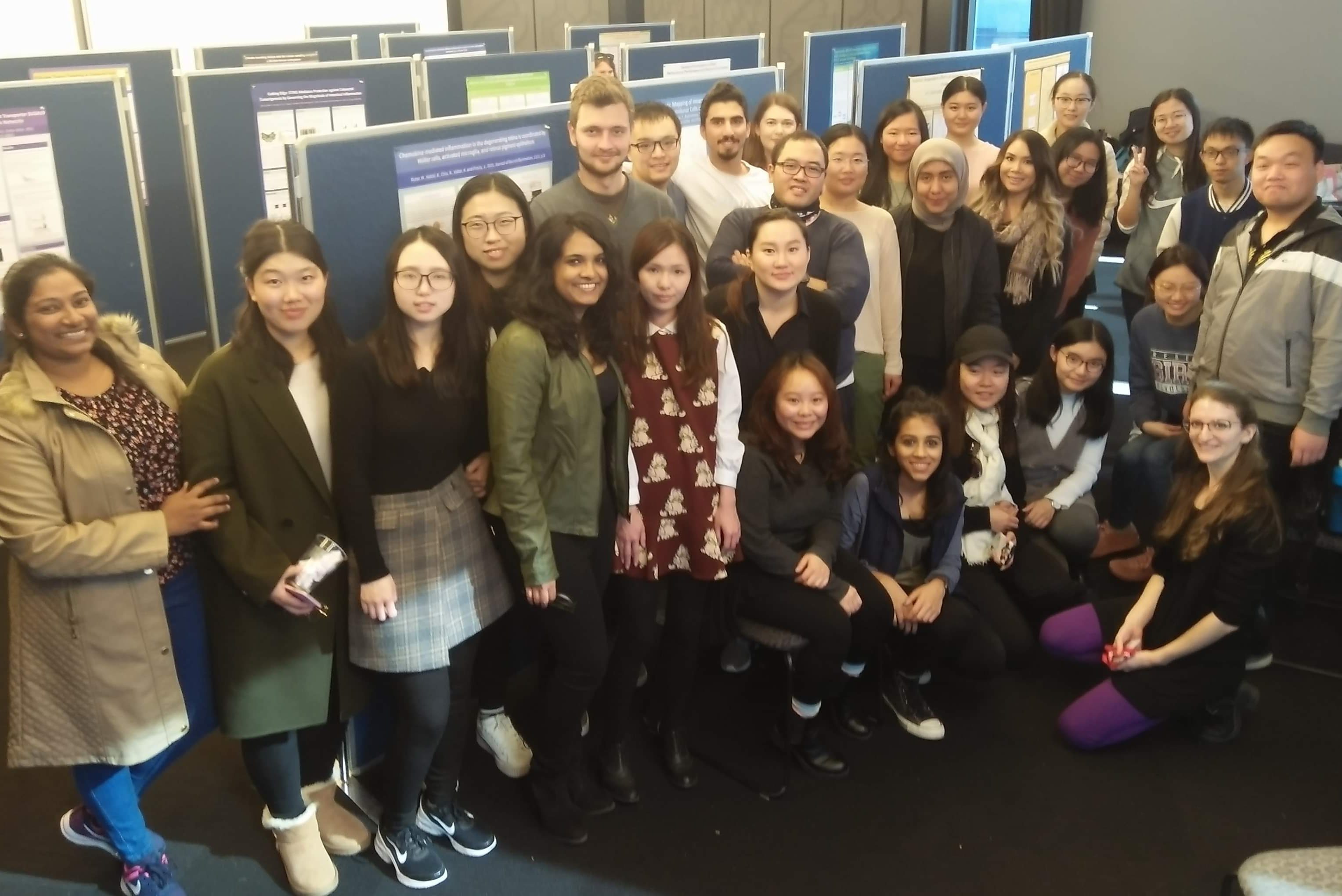
On the left is a 2018 photo of me and my peers in the BIOL8291 Research Presentation Skills class at ANU, my favorite course at the time. Six years later, I was proud to return as the course convenor, which was an exiting career milestone for me.
Research presentation skills are about mastering the basics: reading, writing, and speaking. It’s about analyzing complex scientific texts, writing with clarity and precision, and speaking to make an impact.
Conservation of Dingos in the Australian Capital Territory
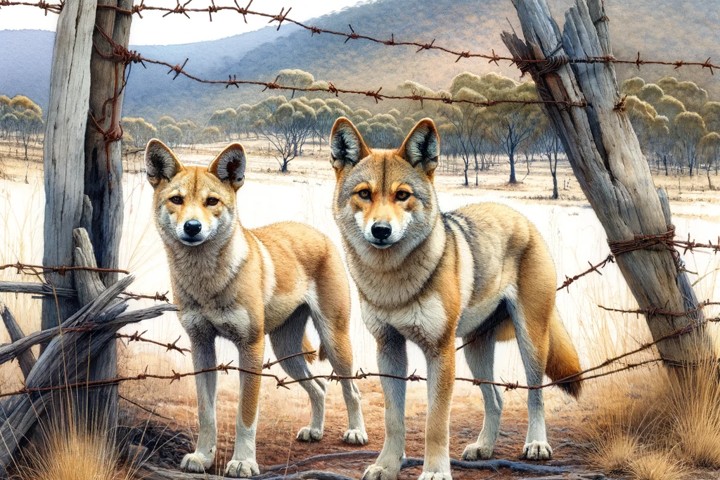
The Dingo (Canis lupus dingo) is a wild canine introduced to Australia about 5000 years ago. They play a crucial ecological role, co-existing with the native Australian fauna, invasive species, and humans.
In Australian Capital Territory, the approach in dingo management is two-progned. On the one hand, dingoes are conserved within Namadgi National Park as native species. On the other hand, strict control measures are implemented to protect livestock against dingo attacks.
My role in the ACT Government is to gather and analyse data on the presence and behaviours of dingoes to revise and improve conservation strategies.
Further reading…
Measuring fish IQ and its role in reproduction
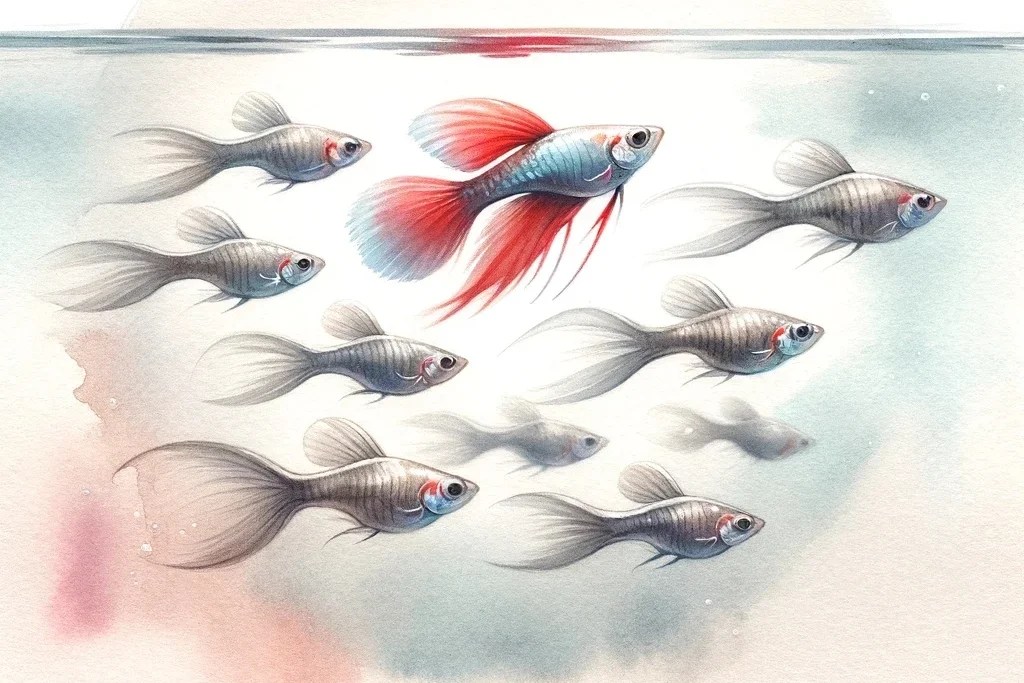
Cognitive abilities underpin almost every animal behaviour and allow them to gather information essential for survival. But does cognition help animals find and secure mating opportunities?
Our team at Australian National University designed IQ tests for mosquitofish (Gambusia holbrookii) to estimate their cognition. The key result shows that smarter fish tend to have more offspring than their not-so-bright competitors. Fish varied in their performance and experienced cognitive decline with age.
This research shows that cognition may evolve not only via natural selection (survival), but also via sexual selection (reproduction). Animal intelligence is under-appreciated, yet it is remarkable and essential even in fish.
How environment can alter cognitive abilities
Wildlife monitoring often focuses on visible indicators of animal fitness, like body mass or coloration, to assess environmental impacts. However, cognitive abilities, less observable and requiring experimental measurement, are commonly overlooked.
Our research shows that pharmaceutical pollution (fluoxetine) and increased temperatures impair guppies’ (Poecilia reticulata) cognitive abilities, with effects varying by age, sex, and inbreeding status. This emphasizes the complex interplay between environment and cognition, underscoring the importance of cognitive health in wildlife conservation and the susceptibility of animal brains to external influences.
Collaborators from Bob Wong Lab…
Three Minute Thesis Competition

3-Minute Thesis is a public speaking and research communication competition where PhD students distill their complex research into a clear and engaging 3-minute presentation, using only their voice and a single slide.
In 2022, I embraced this challenge, and my talk received the first place award in the ANU College of Science competition and the People’s Choice Award at the ANU Grand Final.
“Handedness” in fish and how to (not) measure it
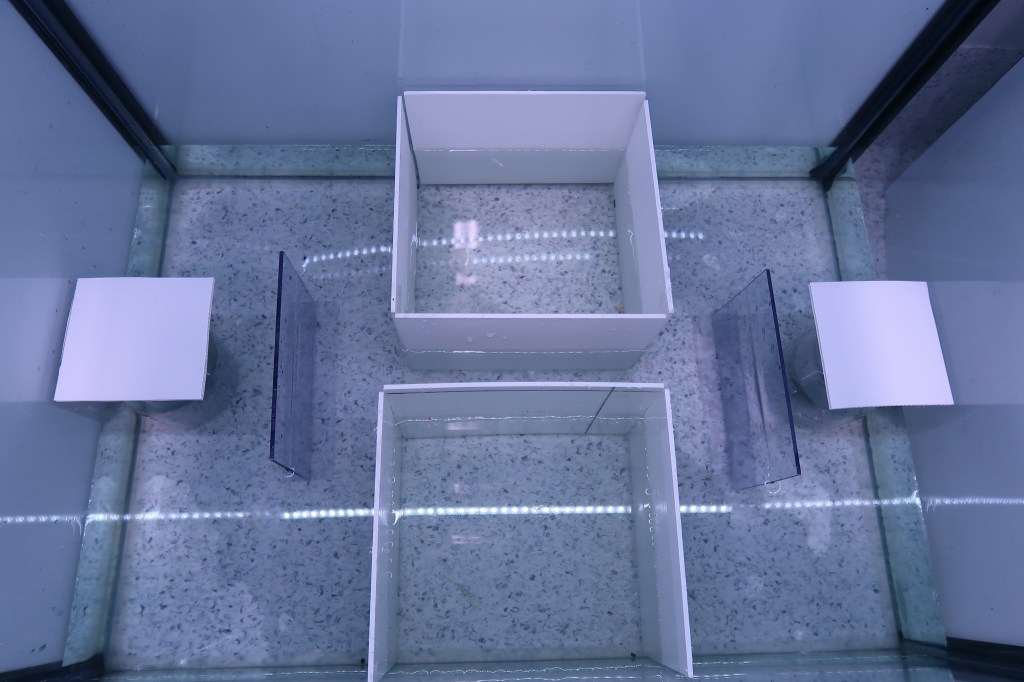
Akin to handedness in humans, some animals show a preference for using a left or a right limb (or moving left or right). This is often attributed to specialised cognitive functions on two different sides the brain. To study the nature of this preference, biologists provide an animal with a T-intersection, giving an option to turn either left or right.
Our study shows that the measures of this turn preference are reliable and repeatable (in fish), yet there is a crucial caveat in the method. Fish (and possibly other animals) often prefer to swim along side a wall, and thus they simply turn in the direction where the closest wall leads.
Time to Mate: The Board Game
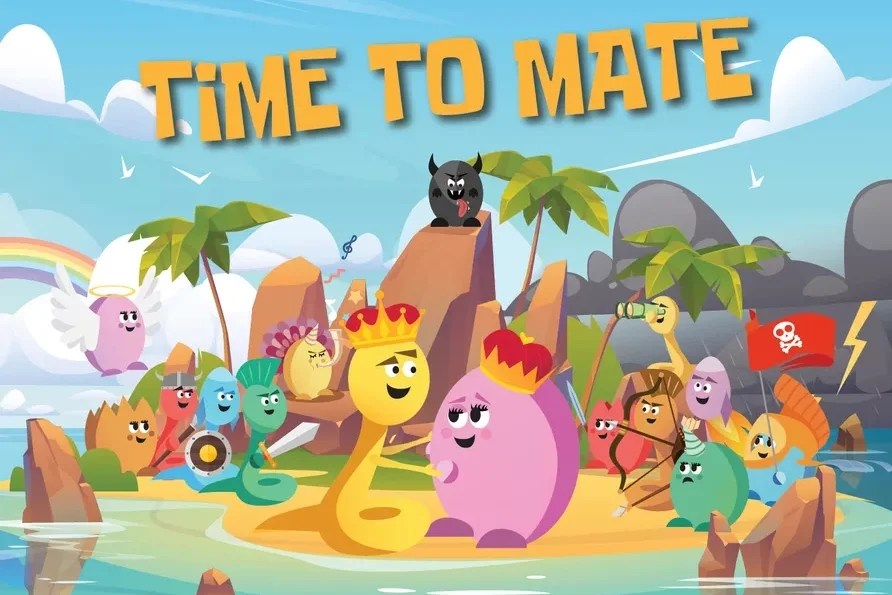
In 2021, my colleague Chloe and I got inspired by the beautiful complexity of reproductive evolution. We designed a fun and accessible board game that would teach the concepts of reproductive biology to curious minds. The game description reads:
“Control female and male characters, seek out Mates among other players to gain the most DNA points. Fight with competitors, grow your population, and survive catastrophic events.”
Despite funding, media attention, positive feedback from biologists and gamers, our fundraising for mass-market failed due to COVID and our own inexperience. Whoops… More about the game…
 COGNI·IVAN